Types of Anxiety That Are More Prominent In Seattle: Cultural, Environmental, and Neuropsychological Factors
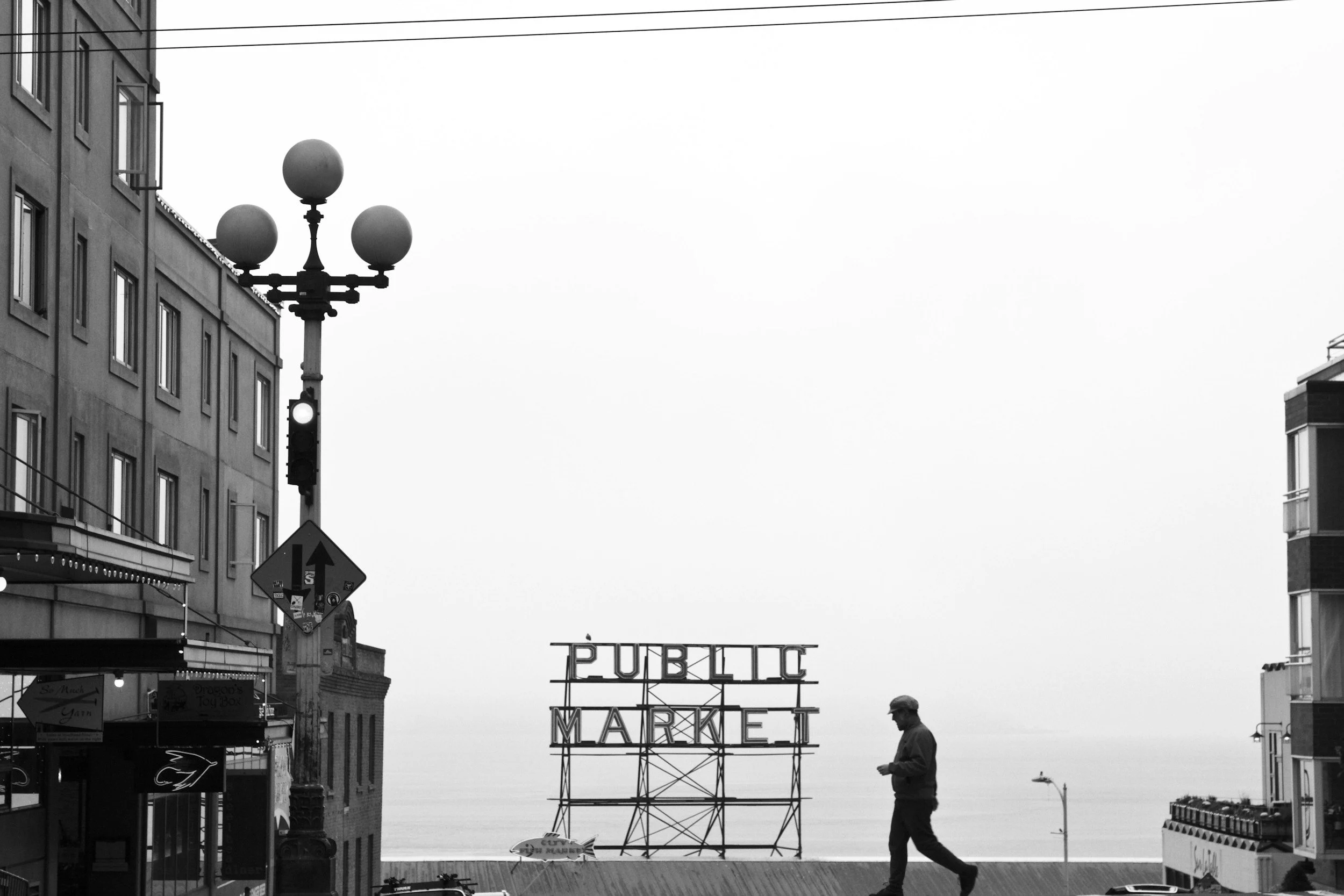
Anxiety disorders are among the most common mental health concerns in the United States; however, their expression is often shaped by regional, cultural, and environmental influences (American Psychiatric Association [APA], 2022). In Seattle, Washington, clinicians frequently observe distinct patterns of anxiety that reflect the city’s social dynamics, occupational culture, and climate.
Social Disconnection and the “Seattle Freeze”
The phenomenon commonly referred to as the “Seattle Freeze” describes a pattern of social politeness combined with interpersonal distance. While not formally recognized in diagnostic literature, social isolation has been consistently linked to increased anxiety and depressive symptoms (Cacioppo & Hawkley, 2009). Individuals in socially reserved environments may experience heightened self-consciousness, relational uncertainty, and difficulty forming meaningful connections.
High-Functioning Anxiety in Performance-Oriented Environments
Seattle’s economy is heavily influenced by the technology sector, which emphasizes productivity, innovation, and continuous self-optimization. Research suggests that individuals in high-demand professional environments may experience elevated levels of stress and anxiety, particularly when self-worth becomes tied to achievement (Curran & Hill, 2019). This form of “high-functioning anxiety” often remains hidden, as individuals maintain outward success while experiencing internal distress.
Seasonal and Environmental Influences
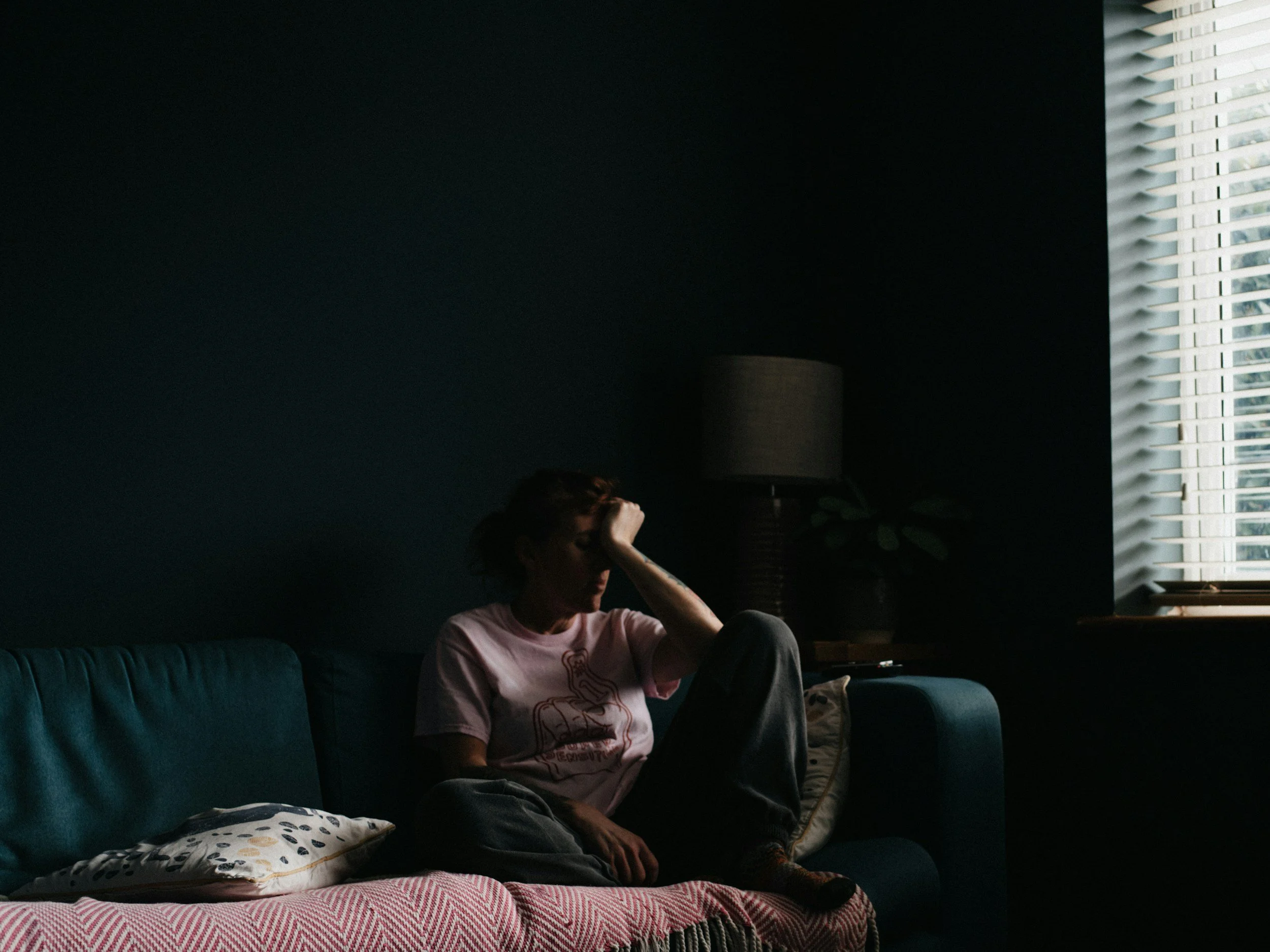
Seattle’s climate—characterized by extended periods of low sunlight—can significantly impact mental health. Seasonal Affective Disorder (SAD) and subclinical seasonal mood changes are associated with reduced daylight exposure, leading to disruptions in circadian rhythms and neurotransmitter regulation (Rosenthal et al., 1984). These changes often contribute to increased rumination, fatigue, and anxiety symptoms during fall and winter months.
Existential Anxiety and Overthinking
Highly educated and introspective populations, such as those commonly found in urban centers like Seattle, may be more prone to existential forms of anxiety. This includes persistent questioning related to meaning, identity, and life direction. While reflective thinking can be adaptive, excessive rumination has been linked to heightened anxiety and difficulty with emotional regulation (Nolen-Hoeksema et al., 2008).
Neurodivergence and Anxiety
Emerging research highlights the strong relationship between neurodivergence—particularly Attention-Deficit/Hyperactivity Disorder (ADHD)—and anxiety disorders. Adults with ADHD frequently experience chronic overwhelm, difficulties with executive functioning, and increased sensitivity to stress, all of which can contribute to the development of anxiety (Kessler et al., 2006). In regions with a high concentration of knowledge-based work, these challenges may be further amplified.
Clinical Implications
Understanding anxiety within its broader context is essential for effective treatment. Contemporary approaches emphasize the integration of cognitive, emotional, and physiological processes. Interventions that incorporate nervous system regulation, mindfulness, and somatic awareness have demonstrated effectiveness in reducing anxiety symptoms (Hofmann et al., 2012).
In addition, addressing environmental and relational factors—such as social isolation and occupational stress—can provide a more comprehensive framework for treatment. By contextualizing anxiety within the lived experience of individuals in Seattle, clinicians may better support clients in developing sustainable and meaningful changes.
Therapy for anxiety in Seattle, Washington
At Sense of Self Psychotherapy, we understand that many people in Seattle experience anxiety that is deeply connected to their environment—whether through work pressures, social isolation, or the effects of long, gray seasons. Rather than treating anxiety as something to simply manage, we help clients understand its roots in both the mind and body. Our approach integrates evidence-based methods with depth-oriented therapies to foster clarity, regulation, and a stronger sense of self.
If you’re seeking support for anxiety, we invite you to schedule a schedule a free consultation.
Written by Sense of Self Psychotherapy staff
References
American Psychiatric Association. (2022). Diagnostic and statistical manual of mental disorders (5th ed., text rev.). https://www.psychiatry.org/psychiatrists/practice/dsm
Cacioppo, J. T., & Hawkley, L. C. (2009). Perceived social isolation and cognition. Trends in Cognitive Sciences, 13(10), 447–454. https://doi.org/10.1016/j.tics.2009.06.005
Curran, T., & Hill, A. P. (2019). Perfectionism is increasing over time: A meta-analysis. Psychological Bulletin, 145(4), 410–429. https://doi.org/10.1037/bul0000138
Hofmann, S. G., Sawyer, A. T., Witt, A. A., & Oh, D. (2012). The effect of mindfulness-based therapy on anxiety and depression. Journal of Consulting and Clinical Psychology, 80(2), 169–183. https://doi.org/10.1037/a0028329
Kessler, R. C., Adler, L., Barkley, R., et al. (2006). The prevalence and correlates of adult ADHD. American Journal of Psychiatry, 163(4), 716–723. https://doi.org/10.1176/ajp.2006.163.4.716
Nolen-Hoeksema, S., Wisco, B. E., & Lyubomirsky, S. (2008). Rethinking rumination. Perspectives on Psychological Science, 3(5), 400–424. https://doi.org/10.1111/j.1745-6924.2008.00088.x
Rosenthal, N. E., Sack, D. A., Gillin, J. C., et al. (1984). Seasonal affective disorder. Archives of General Psychiatry, 41(1), 72–80. https://doi.org/10.1001/archpsyc.1984.01790120076010