Navigating Seasonal Affective Disorder (SAD) in Seattle
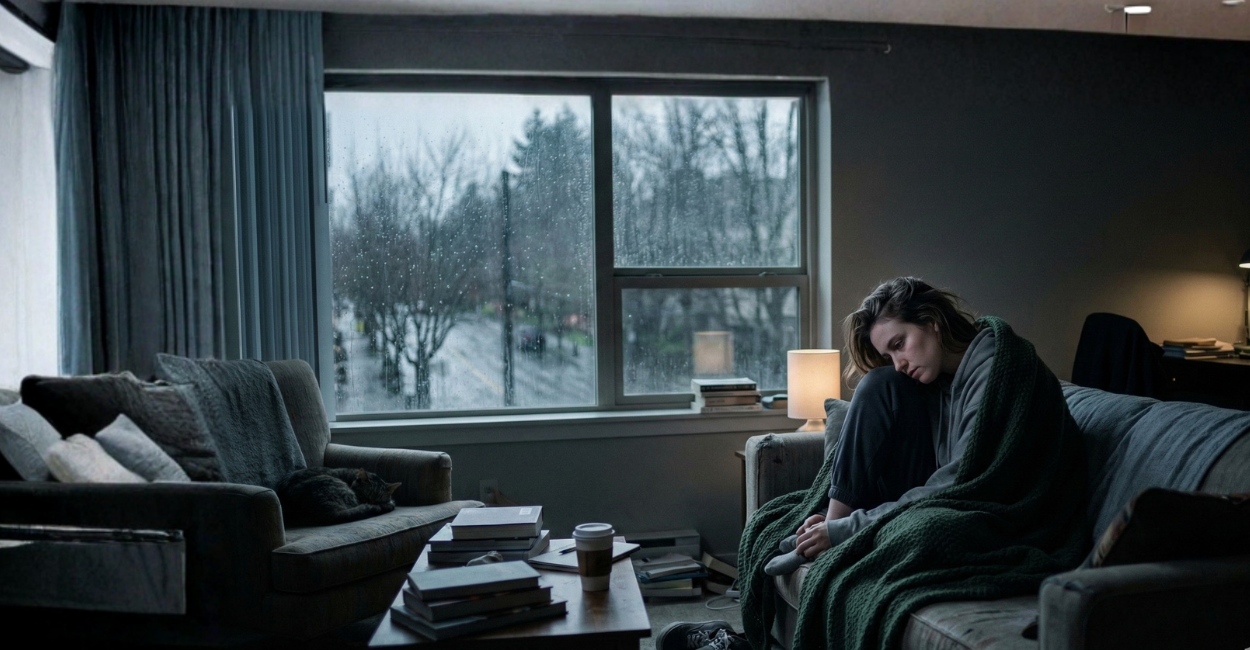
Seattle is renowned for its vibrant culture, stunning landscapes, and famously grey, rainy winters. For some, the cozy, introspective feel of these months is a welcome change. For many Seattleites, however, the extended periods of overcast skies can trigger a distinct, pervasive malaise: Seasonal Affective Disorder, or SAD.
What is Seasonal Affective Disorder?
SAD is not just "the winter blues." It is a clinically recognized type of depression that follows a predictable, seasonal pattern. In Seattle, symptoms typically arise in the late fall or early winter and naturally alleviate as the days grow longer and the sun returns in spring and summer (Mental Health America, n.d.).
While the exact mechanisms behind SAD are still being researched, it is widely believed to be a response to the reduced daylight hours common at Seattle's latitude. This lack of sunlight can impact several key biological functions:
Circadian Rhythm Disruption: Sunlight helps regulate our internal clock, which controls sleep cycles, appetite, and mood. The shorter, dimmer days in Seattle can throw this rhythm out of sync (Melrose, 2015).
Serotonin Drop: Serotonin is a neurotransmitter crucial for maintaining a stable mood. Reduced light exposure can cause a noticeable dip in serotonin levels, contributing to depressive symptoms (Mental Health America, n.d.).
Melatonin Imbalance: Melatonin is the hormone that signals sleep. The extended darkness of Seattle's winter can increase melatonin production, leading to feelings of lethargy, sleepiness, and fatigue (Mental Health America, n.d.).
Recognizing the Signs of SAD
SAD manifests differently in everyone, but common signs and symptoms include:
Persistent Feelings of Sadness or Hopelessness: a low mood that feels inescapable.
Loss of Interest: Pulling away from hobbies or activities once enjoyed.
Low Energy and Fatigue: Feeling constantly tired, even with adequate sleep (National Institute of Mental Health, n.d.).
Difficulty Concentrating: Trouble focusing, foggy thinking, or problems making decisions.
Sleep Disturbances: Sleeping significantly more than usual (hypersomnia) or having difficulty falling and staying asleep (Mental Health America, n.d.).
Appetite Changes: Craving carbohydrates, overeating, and associated weight gain (National Institute of Mental Health, n.d.).
Irritability or Increased Anxiety: Finding oneself easily frustrated or on edge.
SAD and Anxiety: The Overlap
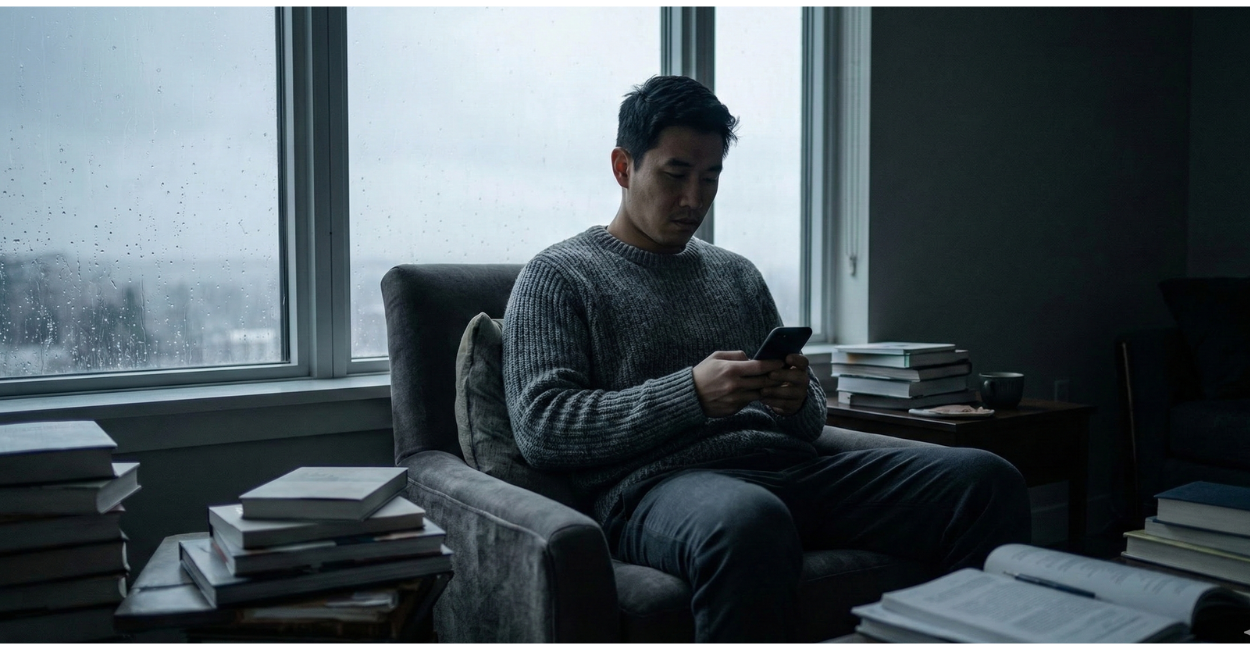
It’s important to note that SAD can frequently involve significant anxiety (Mental Health America, n.d.). If your symptoms—including panic attacks, constant worry, or social withdrawal—noticeably escalate in the winter and decrease in the warmer months, it might be tied to SAD.
Treating SAD Effectively
The good news is that SAD is treatable. Several effective strategies exist, including:
Getting Outside: Maximizing exposure to natural light is a crucial component of managing SAD. Even on overcast days in Seattle, making a conscious effort to spend time outdoors, especially in the morning, can help regulate the circadian rhythm and boost mood.
Therapy (CBT): Cognitive Behavioral Therapy is highly effective for SAD. It helps individuals identify and replace negative thought patterns and behaviors that contribute to the condition (Melrose, 2015).
Lifestyle Adjustments: Regular physical activity, a balanced diet, and making a concerted effort to socialize can help alleviate symptoms (Mental Health America, n.d.).
Seeking Help
At Sense of Self Psychotherapy, we understand that Seasonal Affective Disorder is not merely a seasonal occurrence, but a genuine mental health condition that requires a comprehensive treatment strategy. Much like our approach to anxiety, we recognize SAD as a mind–body experience shaped by environment, such as Seattle's reduced sunlight, biological functions like circadian rhythm disruption, and personal, lived experience. We integrate evidence-based approaches with psychodynamic and humanistic perspectives to help individuals in Seattle find balance and well-being even during the long, dark winter months.
If you’re looking for help understanding and dealing with SAD or accompanying anxiety, schedule a free consultation.
Written by Sense of Self Psychotherapy staff
References